6 Sherpa Foods to Try on Your Everest Base Camp Trek
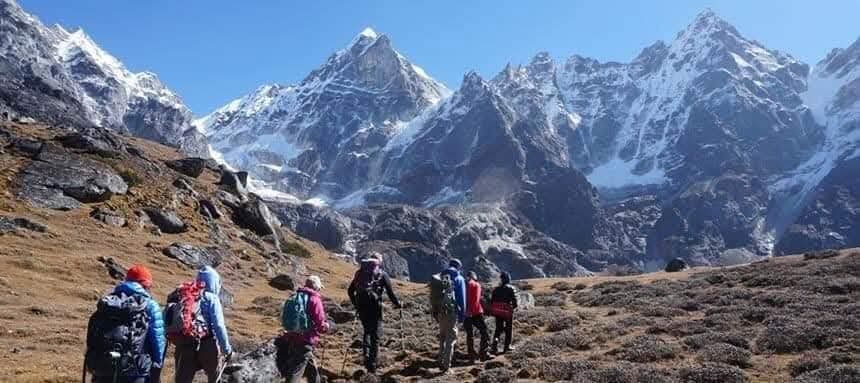
There are thousands of food dishes around the world, all of which are designed to provide energy to the body. The dishes eaten by the Sherpa, an indigenous ethnic group living in the Himalayan region of Nepal, are mostly hot foods that protect against the cold, provide the body with energy, and help keep you warm. Many of the dishes they eat are somewhat similar to the food eaten by Tibetans in Nepal's northern neighbor, China. The Sherpa originated from the Solukhumbu region of eastern Nepal and are now found living in many parts of the country. The main occupations of the Sherpas are leading foreign climbers into the mountains and farming in the Himalayan region. The Sherpas' diet is made mostly from crops grown in the high Himalayan regions and the milk of yaks and naks found there. Whether you are climbing Mount Everest, the world's highest peak, located in the Solukhumbu district of eastern Nepal, or trekking to base camp, you'll have the opportunity to try these foods. Here, we've briefly outlined 6 of the top foods you can easily try during a trek to the Everest region or Sherpa villages. We encourage you to try them all.
6 Sherpa Foods to Try During an Everest Region Trek
Tsampa
Shyakpa (Sherpa stew)
Thukpa
Riki-kur
Rilduk
Su-chiya (Salt tea)
Tsampa
Tsampa is one of the dishes eaten by Sherpas as a breakfast staple in the Himalayan region. It's mainly prepared from barley and wheat. First, the wheat or barley is thoroughly ground, roasted, and then ground into flour. It's typically eaten with a little sugar and, if desired, some ghee and salt, along with tea.
Shyakpa (Sherpa Stew)
Shyakpa is one of the dishes of the Sherpas, a Himalayan ethnic group, eaten mainly as an evening meal during the winter season. This dish is made by mixing potatoes, green vegetables, beans, and legumes grown in the Himalayan region, with dried meat added when available, to make a soup. Eating this dish helps keep the body warm during winter, and its ingredients are traditionally believed to help provide the body with energy.
Thukpa
Thukpa is a dish eaten in the Himalayan region made with traditional noodles mixed with spices and served in a broth. It's traditionally eaten to help ward off colds. You can add garlic and chili to taste, and if you eat meat, you can keep the amount minimal. If you don't eat meat, you can add eggs or vegetables instead.
Riki-kur (Potato Bread)
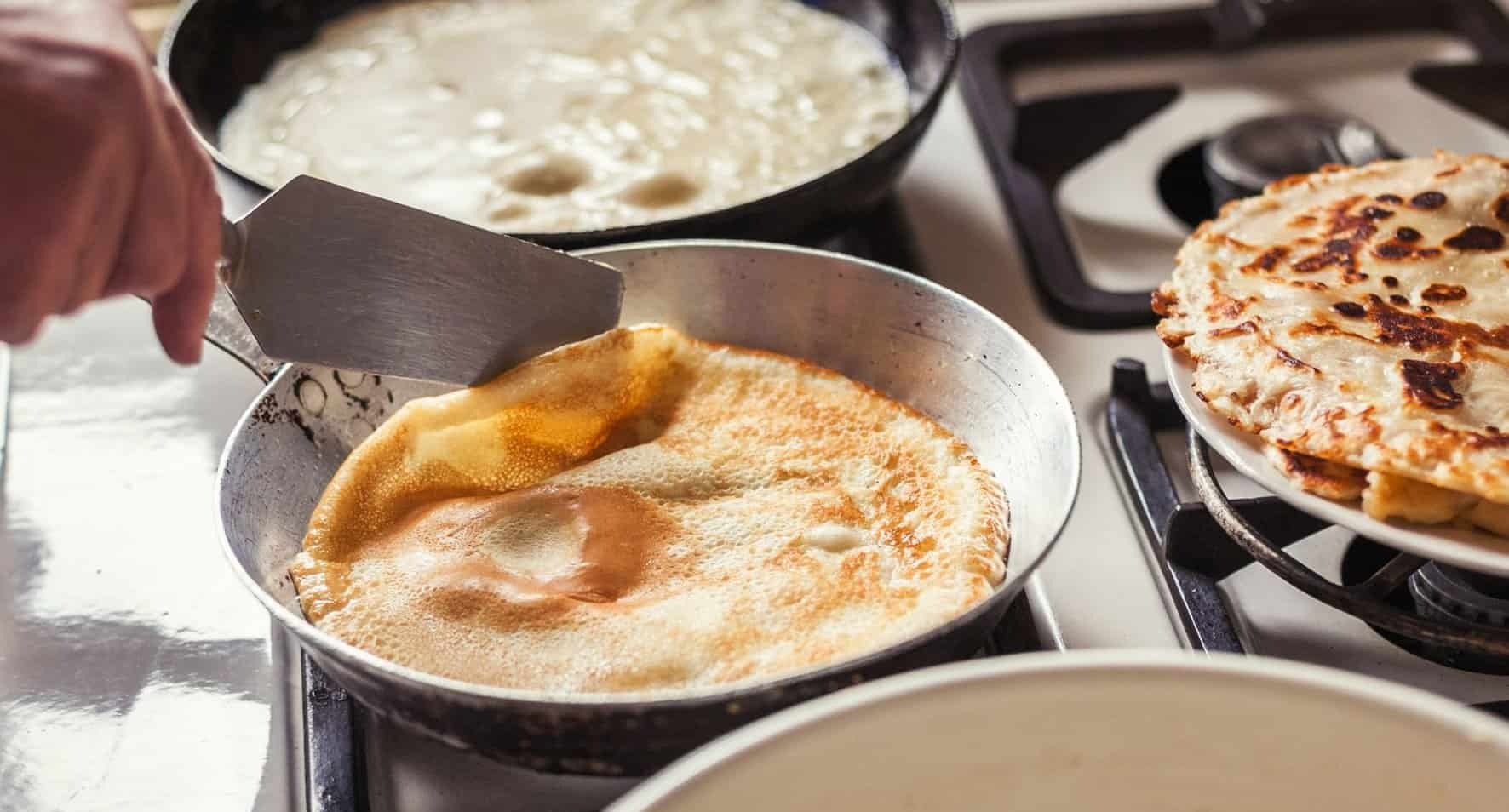
The word "Riki-kur" comes from the Sherpa language: "Riki" means potato and "kur" means bread. To make it, peel and mash or grind a large potato, add a little flour or corn flour, mix in one or two eggs as needed, and knead until smooth. Heat a pan with a little oil or ghee, cook the mixture like a pancake, and serve with chili, jam, or honey as desired.
Rilduk (Mashed Potato Soup)
This is another dish eaten in cold regions, often referred to simply as a potato dish. First, cook the potatoes, then peel and grind them into a fine paste using a mortar or similar method. Shape the mixture into small balls, mix in your choice of spices, let it sit for a few minutes, then enjoy.
Su-chiya (Salt Tea)
Su-chiya is considered a traditional tea of the Sherpa community. The tea leaves are dried without further processing, and their color is extracted by boiling them in hot water. Add salt, a spoonful of ghee, and cow's milk, mix well, and heat further as needed before pouring into a cup to drink. This tea, consumed mainly during winter, is popular throughout the Himalayan region.
Recommended Treks
Dolpa trek
Chisapani Helambu Trek (5 Days)